Generator FAQs
Backup Power Answers for Western Kentucky & Northwest Tennessee
The right size depends on what you want powered during an outage — from essentials like lights, fridge, HVAC, and well pumps to full-home coverage — and is measured in kilowatts (kW). A professional load calculation ensures your system is sized correctly.
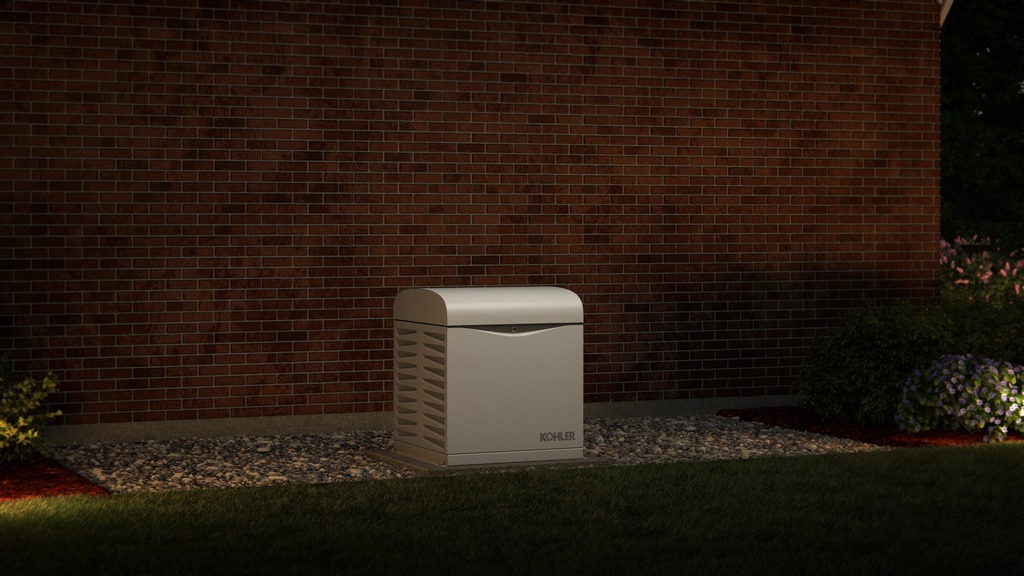
Standby generators like Kohler models automatically sense a power loss and start within seconds, switching power seamlessly thanks to the automatic transfer switch.
Yes — Kohler standby generators range from smaller residential units to powerful whole-home systems that can run HVAC, lights, appliances, and electronics without interruption.
Most Kohler whole-home generators run on your home’s natural gas or propane supply, eliminating the need for manual refueling during outages.
Yes, annual inspections and service help keep your generator reliable and extend its life, including checks of oil, filters, battery, and automatic tests. Regular maintenance also protects warranty coverage.
Many Kohler systems offer remote monitoring via smartphone apps, giving real-time status, alerts, and performance tracking wherever you are.
Costs vary based on generator size, installation complexity, permits, and fuel connections — with complete systems typically ranging from mid-range prices to more robust setups. Professional installation ensures safety and local code compliance.
Yes, standby generators are often sought after in areas prone to power loss, like Western Kentucky and Northwest Tennessee, and can improve property value and appeal due to their reliability and convenience.
High-quality standby generators like Kohler are designed to operate in varied conditions, and optional cold-weather kits help ensure dependable starts even in low temperatures.
Yes — whole-home standby generators must be professionally installed by licensed electricians to meet safety codes, handle fuel connections, and integrate with your home’s electrical panel.